What the Forest gives back
4:30 in the morning and the world hasn't started yet.
There is a specific quality to that darkness, standing outside a lodge on the edge of Tadoba, camera bag already checked twice. The forest is not silent. It is full of sound. But none of it is human. And that absence, even before the jeep moves, already begins doing something to the mind.
This was my first time in a jungle. I didn't know what I was chasing. I'm not sure I know even now. What I remember is standing at the gate just before entry and feeling, very clearly, that something unnecessary was about to be left behind.
The particular happiness of not finding what you came for
People assume a safari is about the tiger. It is, and it isn't.
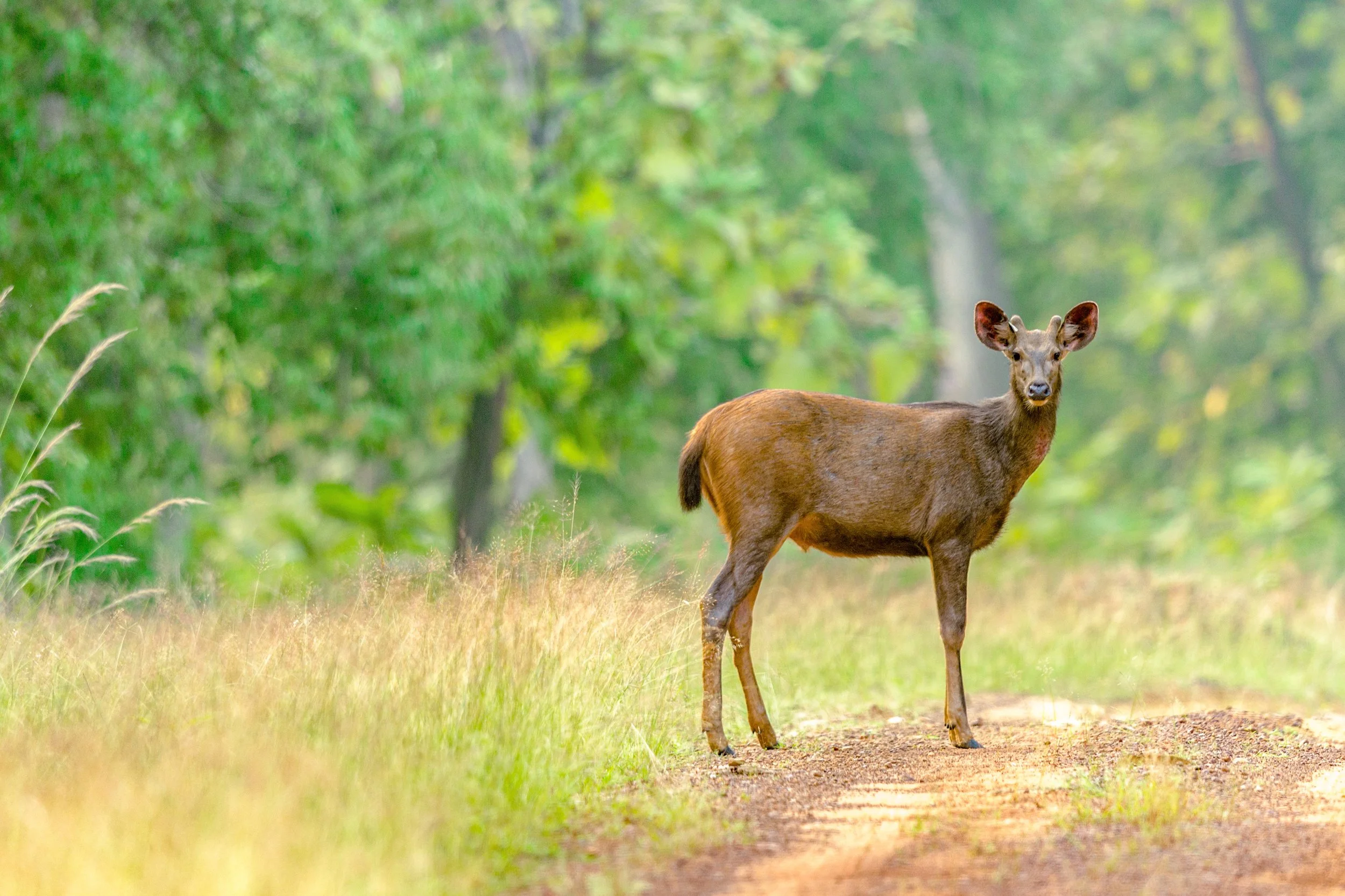
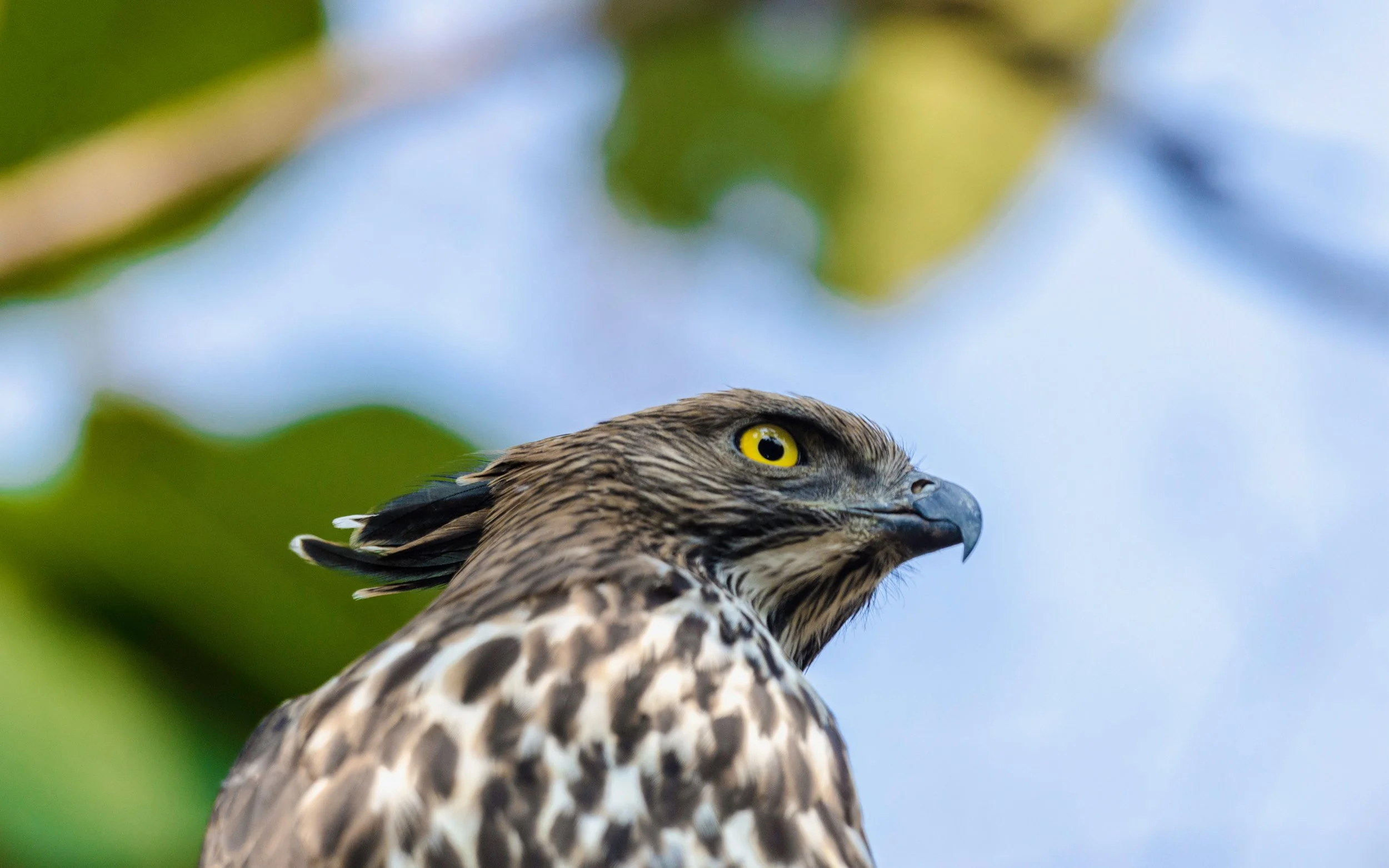
The morning begins long before the big cat enters it. A Brown Fish Owl calling from somewhere deep in the teak, that low, haunting sound that rolls through the dark before the first light arrives. A pair of Indian rollers catching the dawn on their wings, that shocking, impossible blue that no camera ever quite does justice to. A sambar standing in shallow water at the lake's edge, ears forward, reading something in the air that we simply can’t sense.
And then, rounding a bend, a sloth bear. Unhurried. Snout to the ground. Moving through the world with a magnificent indifference to everything around it, including us. There is something almost comic about a sloth bear until you stop smiling and just watch. Then it is an animal completely at home in itself.
Each of these moments is whole. There is a particular joy in stopping for what everyone else in the jeep is looking past. Framing it. Waiting. Finding the image. The forest pays out in small denominations long before it offers the larger ones.
I have had mornings in Tadoba where the tiger never came. They were not disappointing mornings. The forest had other things to say. I had learned enough by then to listen.
When the langurs go quiet, everything goes quiet
But then there are the other mornings.
The langur alarm call is not subtle. Sharp, insistent, travelling fast through the canopy. When it starts, the jeep stops. The guide goes still. Every person on board does what the forest has trained them to do without instruction. Stop talking. Stop moving. Point the camera at the treeline and wait.
The first time I saw Maya, the undisputed queen of Tadoba at the time, she was not hiding. She was simply walking the road like she owned it. Which, of course, she did. There is a size to a tiger in the wild that no photograph prepares you for. A weight to the silence that falls when one appears.
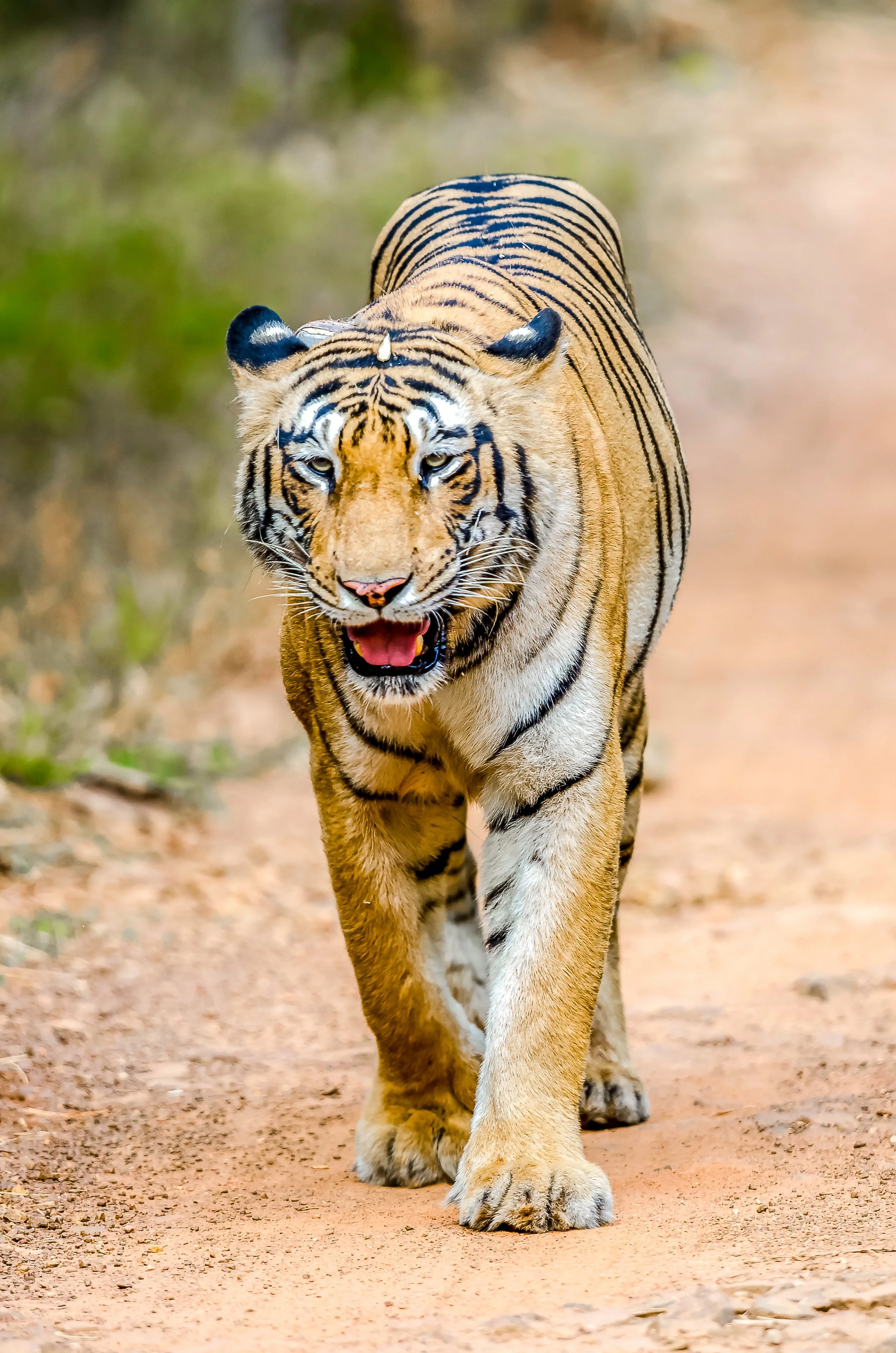
She walked. We watched. I did not take a single photograph for the first two minutes. I couldn't.
Then she stepped off the road and disappeared into the trees. We thought we had lost her.
Maya had other ideas.
She came out from the left, suddenly, from the bushes we had just passed. Looked straight at us. Growled once. Paused. And walked back into the forest as if to say, you have seen enough.
The whole thing lasted a few seconds. Heart racing. Eyes wide. The photograph I took is technically imperfect. Subject partially out of frame. Branches cutting across. By most standards, it should not be a favourite.
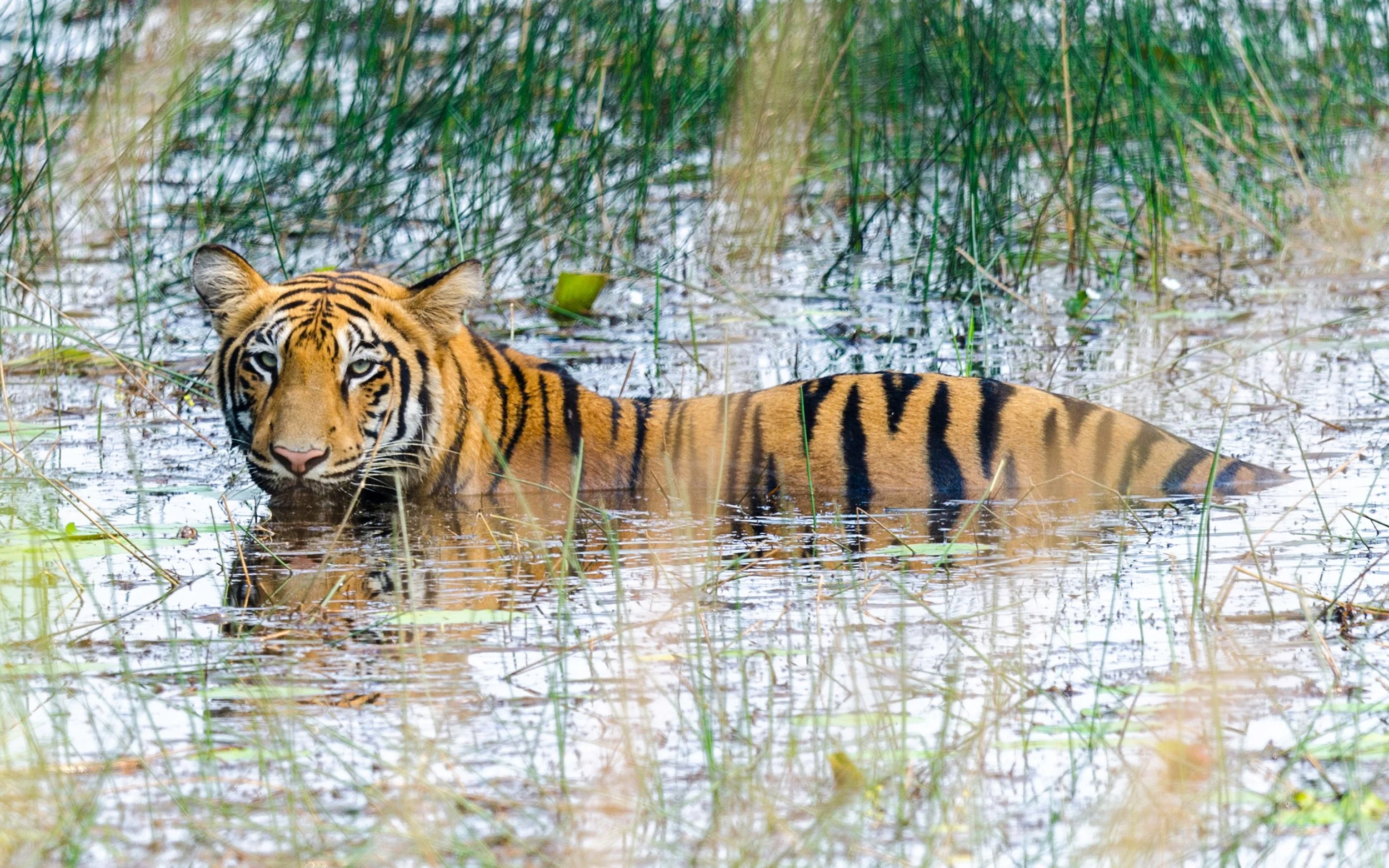
It is my favourite. Because it holds that moment exactly as it was. Imperfect, brief, unforgettable. A rendezvous with something that was never ours to keep.
What the jungle is actually doing to you
We have busy lives. I suspect most people reading this would relate to it. The weeks leading up to any trip to Tadoba are always the same. Meetings compressing into each other, decisions stacking up, the feeling that stepping away for four days is an indulgence the calendar cannot afford.
And then the gate opens at 5:30 in the morning, the jeep moves into the forest, and within twenty minutes none of that exists.
This is not a metaphor. Something physiological happens in a forest. The air in Tadoba, particularly in the early morning, carries the smell of teak and wet earth and something older that I have never found a word for. The lungs notice. The shoulders drop. The running list in the back of the mind, the one that never fully stops in an office or on a flight or even at home, goes quiet.
I have tried to understand why the forest does this and I think it is simply about scale. In a forest you are not the most important thing present. You are not even particularly significant. The ecosystem was here before you arrived and will continue after you leave. That demotion, which sounds like it should feel bad, is the most relief I know.
The debt I haven't paid back
I haven't been back to Tadoba in longer than I want to admit.
Life accumulated the way it does. The business grew. The calendar filled. Tadoba stayed on the list of things to return to, which is the same as saying it stayed on the list of things I kept deferring.
There is something I know about myself in a forest that I cannot access anywhere else. A quality of attention that the jungle demands and the office gradually erodes. The ability to be entirely present in a single frame, not because a deadline requires it, but because a tiger just walked into the light and nothing else is worth looking at.
I need to go back. Not to relax. Not to switch off. But to remember what it feels like to be still inside something larger than any problem I am currently carrying.
Some places don't miss you. They just remain, patient, unchanged, ready when you finally return…
